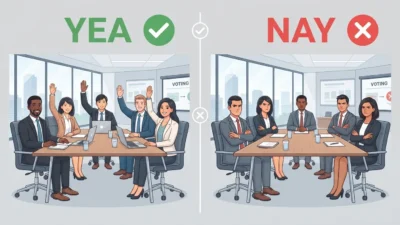
word confusion3 Min Read Steven MarkonOctober 4, 2026 Yea vs Nay: What They Mean and When to Use Each The words yea and nay are short, old fashioned terms that still appear in voting, literature, and formal expressions. Many people confuse them… Discover More
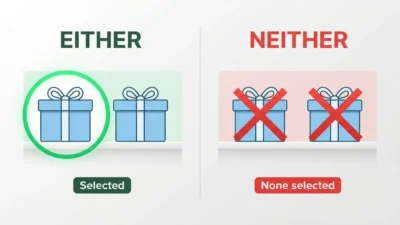
word confusion3 Min Read carol amandaonOctober 4, 2026 Either vs Neither: The Key Difference Explained Simply The words either and neither are small but powerful in English. They often confuse learners because they are used in similar situations… Discover More
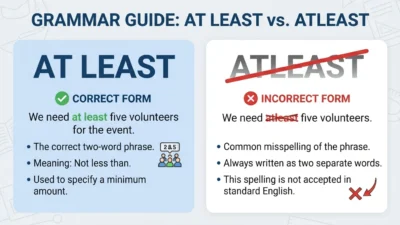
word confusion3 Min Read Donald AndrewonOctober 4, 2026 At Least vs Atleast: The Correct Spelling You Should Always Use The phrases at least and atleast often confuse English learners and even native speakers. While both may look similar, only one is correct in… Discover More
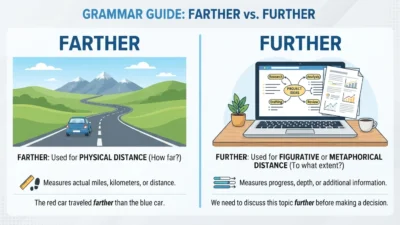
word confusion3 Min Read Kevin BrianonOctober 3, 2026 Farther vs Further: The Subtle Difference You Should Know The words farther and further often confuse English learners because they are very similar in spelling and meaning. While they are sometimes… Discover More
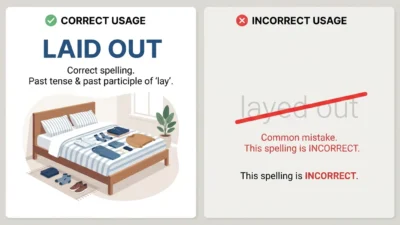
word confusion3 Min Read carol amandaonOctober 3, 2026 Laid Out vs Layed Out: The Correct Phrase You Should Always Use The phrases laid out and layed out often confuse English learners, especially in writing and professional communication. While they look… Discover More
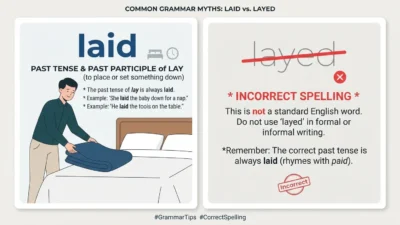
word confusion3 Min Read Kevin BrianonOctober 2, 2026 Laid vs Layed: The Correct Past Tense You Need to Know The words laid and layed often confuse English learners because they look like simple past tense forms. However, only one of them is correct… Discover More
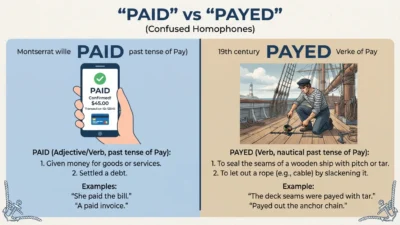
word confusion4 Min Read Donald AndrewonOctober 2, 2026 Payed vs Paid: The Correct Spelling Most People Get Wrong The words payed and paid look very similar, but only one is correct in most everyday situations. This confusion is extremely common,… Discover More
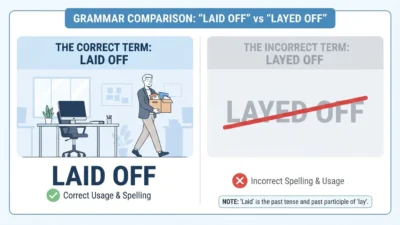
word confusion4 Min Read Kevin BrianonOctober 2, 2026 Laid Off vs Layed Off: The Correct Phrase You Should Always Use The phrases laid off and layed off often confuse English learners, especially in professional and workplace contexts. While both may look… Discover More
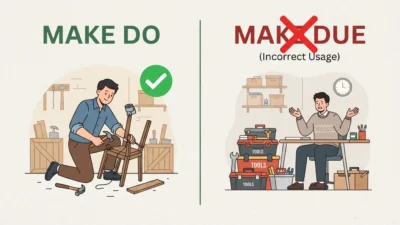
word confusion4 Min Read Donald AndrewonOctober 2, 2026 Make Do vs Make Due: The Common Mistake You Should Avoid The phrases make do and make due often confuse English learners because they sound identical. However, only one of them is correct in standard… Discover More
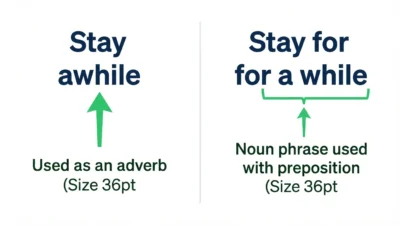
word confusion4 Min Read Kevin BrianonOctober 2, 2026 Awhile vs A While: The Small Difference That Changes Sentence The difference between awhile and a while may seem tiny, but it can affect the correctness of your sentence. Many people use them… Discover More