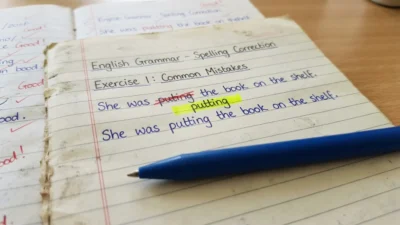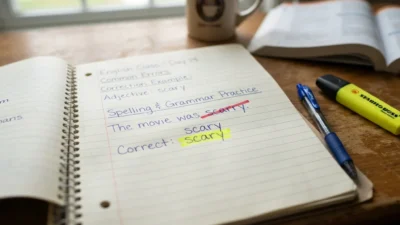

English often gives us words that look similar but are not equally correct. A common confusion is “undecisive vs indecisive.” While both may seem logical, only one is standard in modern English.
This word is frequently used to describe personality, behavior, and decision making. Using the correct form helps your writing sound clear, natural, and professional in any situation.
Quick Answer
“Indecisive” is the correct and standard word used to describe someone who struggles to make decisions.
“Undecisive” is incorrect or extremely rare in modern English usage. Always use indecisive for clarity and correctness.
Why People Confuse It
The confusion comes from prefixes. English uses both “un” and “in” to create negative forms, so “undecisive” may seem logical.
Another reason is pattern thinking. Words like “uncertain” and “unhappy” make people assume “undecisive” should also be correct.
However, English does not always follow consistent rules, and some words use only one accepted prefix. In this case, “indecisive” is the standard form.
Definition and Meaning
“Indecisive” is an adjective used to describe someone who has difficulty making decisions or choosing between options.
For example, a person who cannot decide what to eat or struggles with important choices may be called indecisive.
“Undecisive” has no recognized meaning in modern English and is generally considered incorrect or outdated.
First Word
“Undecisive” is not commonly accepted in standard English. While it may appear in rare or older texts, it is not used in modern writing.
Using “undecisive” can make your writing seem incorrect or unfamiliar to readers. For this reason, it should be avoided.
It is better to stick with the standard form for clarity.
Second Word
“Indecisive” is the correct and widely accepted word. It is used in both casual and formal contexts.
This word clearly expresses hesitation or difficulty in making decisions. It is commonly used in conversations, writing, and professional communication.
Using “indecisive” ensures your message is understood correctly.
Pronunciation Guide
“Indecisive” is pronounced as /ˌɪn.dɪˈsaɪ.sɪv/.
It has four syllables:
- in
- de
- ci
- sive
The pronunciation is straightforward and widely recognized.
Grammar Rules Explained
“Indecisive” is an adjective. It is used to describe a person, behavior, or situation.
Examples:
- He is indecisive.
- Her indecisive nature caused delays.
“Undecisive” does not follow standard grammar usage because it is not accepted in modern English.
Real Life Usage
“Indecisive” is commonly used in real life. People use it to describe hesitation in daily choices, such as picking food, making plans, or taking action.
It is also used in professional settings to describe leadership or decision making challenges.
Because it is widely used, correct spelling is important.
Comparison Table
| Feature | Undecisive | Indecisive |
|---|---|---|
| Correctness | Incorrect/rare | Correct |
| Word Type | Nonstandard | Adjective |
| Usage | Very rare | Common |
| Dictionary | Not standard | Recognized |
| Recommendation | Avoid | Always use |
When to Use Each
Use “indecisive” whenever you describe someone who struggles to make decisions.
Examples:
- He is indecisive about his career.
- She feels indecisive when choosing options.
Avoid using “undecisive,” as it is not accepted in standard English.
Examples in Sentences
Here are correct examples:
- He is indecisive about what to wear.
- She felt indecisive before making the choice.
- His indecisive behavior caused delays.
- They became indecisive under pressure.
- She is often indecisive in meetings.
- The indecisive leader confused the team.
- He remained indecisive until the last moment.
- Her indecisive nature made things harder.
- They were indecisive about the plan.
- Being indecisive can slow progress.
Incorrect:
- He is undecisive about what to wear.
Common Sentences
“Indecisive” appears in phrases like:
- Indecisive person
- Indecisive behavior
- Feeling indecisive
- Highly indecisive
These are common in everyday communication.
Common Mistakes
A common mistake is using “undecisive” instead of “indecisive.” This usually happens due to confusion about prefixes.
Another issue is assuming both forms are interchangeable. In reality, only one is standard.
Proofreading can help catch this mistake.
Mistakes to Avoid
Avoid these errors:
- Writing “undecisive” in formal or general writing
- Confusing “un” and “in” prefixes
- Not checking spelling
Correct usage improves clarity.
Memory Trick
Here is a simple trick:
Indecisive starts with “in,” like “in doubt.”
If someone is in doubt, they are indecisive. This helps you remember the correct word.
American vs British English
Both American and British English use “indecisive” as the standard form.
There is no regional difference, making it easy to use consistently.
“Undecisive” is not accepted in either variety.
Similar Words
Related words include:
- Hesitant
- Unsure
- Uncertain
- Doubtful
These words describe similar behavior.
Synonyms and Alternatives
You can use alternatives such as:
- Hesitant
- Uncertain
- Wavering
- Undetermined
These can add variety to your writing.
Formal vs Informal Use
“Indecisive” works in both formal and informal contexts. It is commonly used in professional writing, academic work, and everyday conversations.
Because of its versatility, correct usage is important.
Expert Tips
To improve your writing:
- Learn common prefixes
- Practice correct spelling
- Proofread carefully
- Use grammar tools
These steps help avoid mistakes.
Related Confusing Words
Other similar confusions include:
- Inactive vs unactive
- Incorrect vs uncorrect
- Invisible vs unvisible
Learning these improves your grammar skills.
FAQs
Is undecisive a real word?
It is not standard and should be avoided.
Which is correct undecisive or indecisive?
Indecisive is correct.
What does indecisive mean?
It means having difficulty making decisions.
Why do people write undecisive?
Because they confuse prefixes.
Is indecisive formal?
Yes, it is used in both formal and informal contexts.
Is there any regional difference?
No, both British and American English use “indecisive.”
Final Verdict
“Indecisive” is the correct and widely accepted word in English. It clearly describes difficulty in making decisions.
“Undecisive” is incorrect or extremely rare and should be avoided. For clear and professional writing, always choose “indecisive.”
Remember This
Always use indecisive, not undecisive.
Think of “in doubt” to remember the correct form.
Conclusion
The difference between “undecisive” and “indecisive” is simple once you understand the rule. Only one form is accepted in modern English.
By using “indecisive,” you ensure your writing is clear, accurate, and professional. Small choices like this can greatly improve your communication.

Carol Amanda is a passionate writer and faith-driven author dedicated to sharing the wisdom of the Bible. At BiblyWord, she creates inspiring and meaningful content that encourages spiritual growth and daily reflection. Her work focuses on helping readers connect with God’s Word and find guidance, peace, and strength in their faith journey.