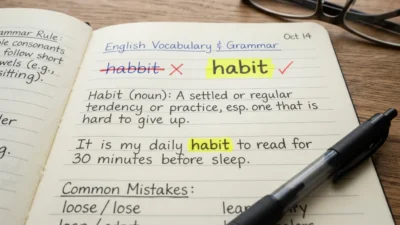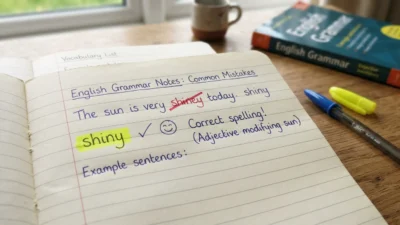
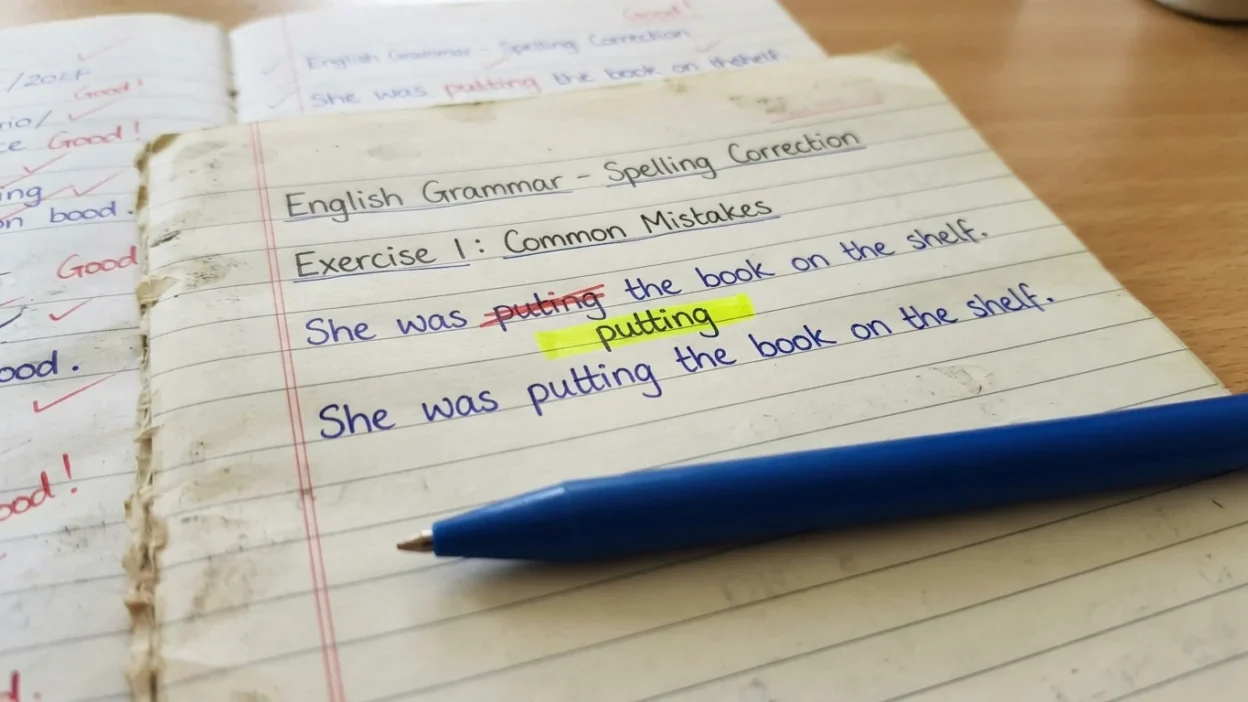
Have you ever stopped while writing and wondered if it should be puting or putting? It is a very common confusion, especially for learners of English. One extra letter can make all the difference.
Spelling matters because it helps your writing look clear, correct, and professional. Even small mistakes can change how your message is understood. So knowing the right form gives you confidence in both casual and formal writing.
Let’s break down the difference between puting vs putting in a simple and easy way.
Quick Answer
Putting is the correct spelling.
Puting is incorrect and not used in standard English.
The extra t is needed because of a common spelling rule in English.
Why People Confuse It
This confusion happens because the base word is put, which has only one t. When adding ing, some people think it stays the same.
Reasons include:
- Simple-looking base word
- Lack of awareness of doubling rules
- Typing quickly without checking
But English follows a pattern that explains why the spelling changes.
First Word: Puting
Puting is not a correct English word. It appears only as a spelling mistake.
You might see it when:
- Someone types quickly
- A learner is unsure about spelling rules
Example of incorrect usage:
She is puting the books on the table.
This should always be corrected.
Second Word: Putting
Putting is the correct form of the verb put with ing added. It means placing something somewhere.
Examples:
- She is putting the books on the table.
- He is putting effort into his work.
- They are putting the plan into action.
It is used in everyday conversation and writing.
Comparison Table
| Feature | Puting | Putting |
|---|---|---|
| Correct | No | Yes |
| Usage | Incorrect | Standard |
| Meaning | None | Placing or setting |
| Recommendation | Avoid | Always use |
When to Use Each
Use putting when:
- Talking about placing something
- Writing sentences in present continuous tense
- Describing effort or action
Never use puting in correct writing.
Examples
Here are correct examples using putting:
- I am putting my phone on silent.
- She is putting sugar in her tea.
- They are putting up a new building.
- He is putting his trust in you.
- We are putting the pieces together.
- She kept putting off her work.
- He is putting his bag on the chair.
- They are putting the plan into motion.
- I am putting my ideas into writing.
- She is putting her heart into the project.
- He is putting the key in the door.
Incorrect example:
- She is puting her bag on the table.
Common Mistakes
Writers often:
- Forget to double the t
- Assume short words do not change
- Type quickly without checking spelling
Always review your writing to avoid these errors.
Memory Trick
Think of this:
Short vowel plus consonant means double the last letter before adding ing
So:
Put becomes putting
This rule helps with many other words too.
American vs British English
Both American and British English use putting. There is no difference in spelling here.
Puting is incorrect in both.
Similar Words
Here are similar examples where the letter is doubled:
- Run becomes running
- Sit becomes sitting
- Get becomes getting
These follow the same spelling rule as putting.
Final Verdict
The answer is simple. Putting is correct. Puting is incorrect.
Always use putting in your writing to stay accurate and professional.
FAQs
Is puting a real word
No, it is a spelling mistake and not used in standard English.
Why is there a double t in putting
Because of the rule that doubles the final consonant after a short vowel before adding ing.
Can I ever use puting
No, it should always be corrected to putting.
Is putting used in daily conversation
Yes, it is very common in both speaking and writing.
Does British English use puting
No, both British and American English use putting.
What does putting mean
It means placing something somewhere or applying effort.
Conclusion
Understanding puting vs putting is simple once you know the spelling rule. Small details like this can make a big difference in how your writing looks and feels.
By using putting correctly, you show clarity and confidence in your language. Keep practicing, and these rules will soon become natural in your everyday writing.
Remember This
Always double the t and write putting.
Never use puting in correct English.

Carol Amanda is a passionate writer and faith-driven author dedicated to sharing the wisdom of the Bible. At BiblyWord, she creates inspiring and meaningful content that encourages spiritual growth and daily reflection. Her work focuses on helping readers connect with God’s Word and find guidance, peace, and strength in their faith journey.