When writing in English, small spelling differences can change how your message is understood. One common confusion is between storys and stories. Many people type “storys” quickly, especially when pluralizing words, but is it actually correct?
Understanding the right form matters in school, professional writing, and even casual messages. A simple spelling mistake can affect clarity and credibility. In this guide, you will learn the correct usage, rules, examples, and easy tricks to avoid confusion forever.
Quick Answer
“Stories” is the correct plural form of “story.”
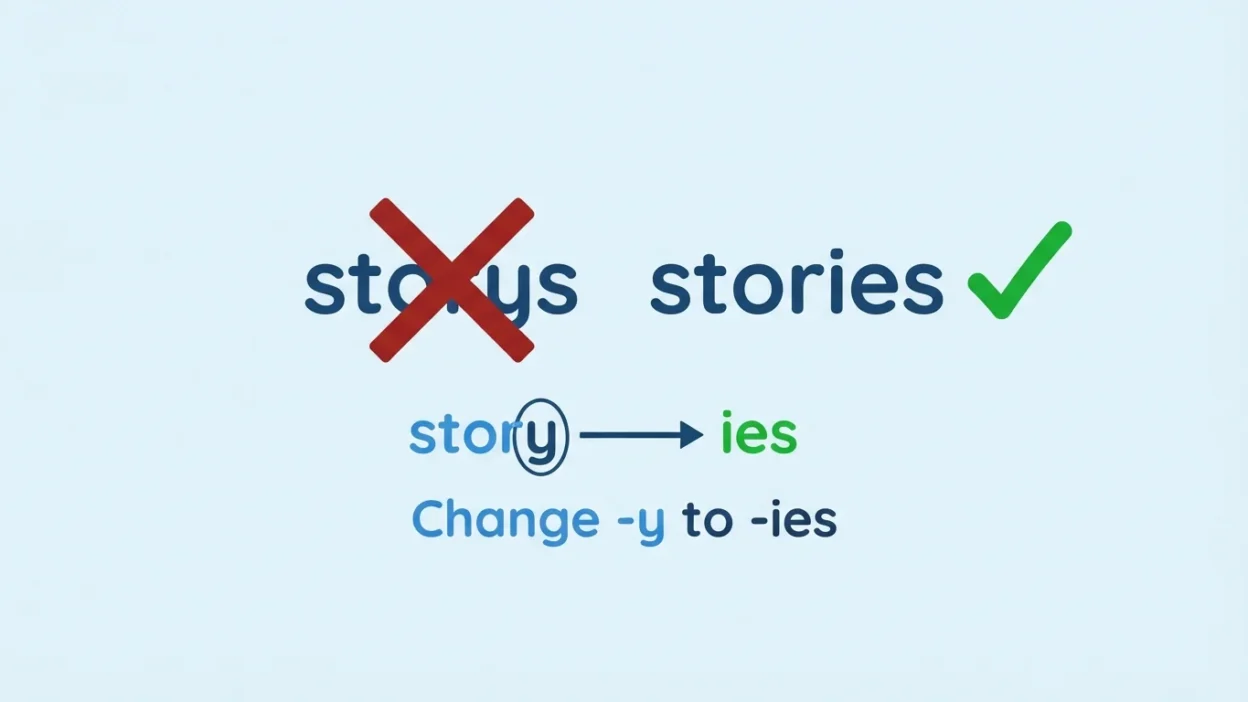
“Storys” is incorrect in standard English. When a noun ends in a consonant + y, you change the “y” to “ies” to form the plural. So, story becomes stories.
Definition and Meaning
A story is a description of events, whether real or imagined. It can be spoken, written, or visual.
When you want to talk about more than one, you use the plural form stories.
Examples
- One story
- Many stories
The word “storys” has no accepted meaning in English. It appears only as a spelling mistake.
Why People Confuse It
People often assume that adding “s” makes a word plural. While that works for many words, it does not apply to all.
Confusion happens because
- English has irregular plural rules
- Many words simply add “s”
- Typing quickly leads to mistakes
Words ending in “y” follow a special rule, which is why “storys” feels right but is wrong.
First Word
Storys is not a correct English word. It is a common spelling error.
Why it is incorrect
- It breaks pluralization rules
- It is not recognized in dictionaries
- It weakens writing quality
Using it in formal or academic writing can reduce credibility.
Second Word
Stories is the correct plural form of story.
Why it is correct
- Follows grammar rules
- Accepted in all forms of English
- Used in books, articles, and conversations
Example
- She told amazing stories about her childhood.
Grammar Rules Explained
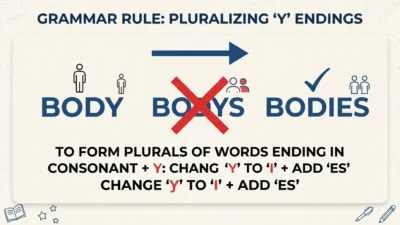
When a word ends in a consonant + y, follow this rule
- Remove the “y”
- Add “ies”
Examples
- Story becomes stories
- Baby becomes babies
- City becomes cities
If a vowel comes before y, simply add “s”
- Toy becomes toys
- Key becomes keys
Pronunciation Guide
Story is pronounced as
- staw ree
Stories is pronounced as
- staw reez
Notice the soft “eez” sound at the end of stories.
Comparison Table
| Word | Correct | Meaning | Usage Status |
|---|---|---|---|
| storys | No | None | Incorrect |
| stories | Yes | More than one story | Correct |
When to Use Each
Use stories when talking about multiple events, tales, or narratives.
Never use storys in standard English writing.
Correct usage examples
- I read three stories today.
- Her stories are inspiring.
Examples
Here are real examples using the correct form
- The teacher shared interesting stories.
- Children love bedtime stories.
- His stories are full of adventure.
- I wrote short stories in class.
- They exchanged travel stories.
- These stories teach valuable lessons.
- Old stories carry history.
- She enjoys mystery stories.
- We listened to ghost stories.
- The book contains ten stories.
Real Life Usage
In daily life, you will see “stories” used everywhere.
Common places include
- Books and novels
- Social media stories
- News reports
- Classroom writing
Using the correct plural helps you communicate clearly and professionally.
Formal vs Informal Use
“Stories” works in both formal and informal writing.
Formal
- The report includes several case stories.
Informal
- I love your stories on social media.
“Storys” is incorrect in both situations.
Synonyms and Alternatives
Instead of repeating “stories,” you can use
- Tales
- Narratives
- Accounts
- Anecdotes
- Experiences
These words add variety to your writing.
Common Sentences
Here are simple sentence patterns
- I enjoy reading stories.
- These stories are interesting.
- She writes short stories.
- We shared funny stories.
These patterns are useful in daily communication.
Common Mistakes
Avoid these errors
- Writing storys instead of stories
- Forgetting to change y to ies
- Mixing plural rules
Incorrect
- I like storys
Correct
- I like stories
Mistakes to Avoid
Keep these tips in mind
- Do not add just “s” to words ending in consonant + y
- Always check spelling in writing tools
- Practice common plural forms
Consistency improves writing quality.
Memory Trick
Use this simple trick
If a word ends in y and has a consonant before it
- Change y to ies
Think
Story becomes stories
Baby becomes babies
This pattern works for many words.
American vs British English
Both American and British English use stories as the correct plural.
There is no difference in spelling between the two.
“Storys” is incorrect in both versions.
Similar Words
Other confusing words include
- City and citys or cities
- Baby and babys or babies
- Lady and ladys or ladies
Correct forms always follow the same rule.
Related Confusing Words
You may also confuse
- Flys and flies
- Trys and tries
- Crys and cries
Always apply the y to ies rule.
Expert Tips
Improve your grammar with these tips
- Read regularly to see correct usage
- Use grammar tools for checking
- Practice writing sentences daily
Small habits lead to big improvement.
Final Verdict
Between storys and stories, only stories is correct.
“Storys” is a spelling mistake and should never be used in proper English. Learning this rule helps you avoid similar errors and write with confidence.
FAQs
Is storys ever correct
No, storys is never correct in standard English.
Why does story change to stories
Because it follows the consonant plus y plural rule.
Can I use storys in informal writing
No, it is still incorrect even in casual writing.
What is the singular form of stories
The singular form is story.
Are there exceptions to this rule
Yes, if a vowel comes before y, you just add s.
Is stories used in all English dialects
Yes, it is correct in both American and British English.
Conclusion
Understanding the difference between storys and stories is simple once you know the rule. English spelling can feel tricky, but patterns like changing y to ies make it easier to remember.
Using the correct form not only improves your writing but also builds trust with your readers. If you are writing an essay, email, or social post, choosing “stories” shows attention to detail.
Remember This
If a word ends in consonant plus y, change y to ies for plural.
Story becomes stories, never storys.

Donald Andrew is a dedicated author at BiblyWord, passionate about sharing biblical teachings in a clear and inspiring way. He creates meaningful content that helps readers understand scripture, reflect on their faith, and apply God’s Word in daily life. His work supports spiritual growth, guidance, and a deeper connection with biblical wisdom.