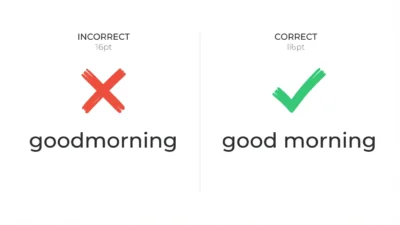

At first glance, “teams” vs “teams” may look confusing, but in reality, both words are exactly the same. This type of query often comes from users double checking spelling or wondering if there is a hidden difference.
The word “teams” is very common in sports, business, education, and daily conversations. Because it is used so frequently, people want to be sure they are using it correctly. In this guide, you will learn why both forms are identical, how to use the word properly, and when confusion might occur.
Quick Answer
“Teams” vs “teams” has no difference. Both are identical and correct. The word “teams” is simply the plural form of “team.”
Why People Confuse It
People usually search “teams vs teams” by mistake or for confirmation. It can happen due to typing errors or uncertainty about spelling.
Another reason is overthinking simple words. When writing professionally, people want to ensure everything is correct.
Sometimes, confusion may come from similar looking words, but in this case, there is no variation at all.
First Word
“Teams” is the correct plural form of “team.” It refers to more than one group of people working together.
For example, sports leagues often have many teams competing with each other.
This spelling is standard and widely accepted.
Second Word
“Teams” is also the same correct word. There is no alternate spelling or variation.
Both forms are identical in meaning, spelling, and usage.
There is no incorrect version in this comparison.
Definition and Meaning
“Teams” means multiple groups of people working together toward a common goal.
It can refer to sports teams, work teams, or study groups.
Understanding the meaning helps you use the word naturally.
Pronunciation Guide
“Teams” is pronounced as teems.
The pronunciation is simple and does not change in different contexts.
This consistency makes it easy to use.
Grammar Rules Explained
“Team” is a singular noun, and “teams” is its plural form.
To make most nouns plural, you simply add “s,” which is what happens here.
There are no irregular rules involved.
Comparison Table
| Word | Correct | Meaning |
|---|---|---|
| teams | Yes | More than one team |
| teams | Yes | Same word, same meaning |
This table shows there is no difference.
When to Use Each
Use “teams” whenever you are referring to more than one team.
There is no alternative spelling to consider.
This makes it simple and straightforward.
Real Life Usage
“Teams” is used in many contexts, including sports, business, and education.
For example, companies organize employees into teams to complete projects.
It is a very common and useful word.
Formal vs Informal Use
“Teams” works in both formal and informal writing.
You can use it in reports, emails, conversations, and presentations.
There are no restrictions on its usage.
Synonyms and Alternatives
Here are some alternatives for “teams”:
- Groups
- Squads
- Units
- Crews
- Organizations
These words can add variety to your writing.
Common Sentences
Here are some natural sentences using “teams”:
- The teams are ready to compete
- Both teams performed well
- The company created new teams
- Teams worked together to finish the project
These examples show everyday usage.
Examples
Here are ten real examples:
- The teams competed in the tournament
- Both teams showed great effort
- The teams prepared for the match
- Different teams worked on the project
- The teams collaborated effectively
- The teams shared responsibilities
- The teams improved their performance
- The teams met regularly
- The teams completed the task
- The teams celebrated their success
These examples show correct usage in context.
Common Mistakes
There are no spelling mistakes in this comparison because both words are identical.
However, people may overthink or search for differences where none exist.
Understanding this helps avoid confusion.
Mistakes to Avoid
Do not assume there is a difference when the words are identical.
Avoid overanalyzing simple spellings.
Focus on context instead.
Memory Trick
A simple trick is to remember that “team” becomes “teams” by adding “s.”
There is no variation or exception.
This makes it easy to remember.
American vs British English
“Teams” is spelled the same in both American and British English.
There is no variation.
You can use it confidently anywhere.
Similar Words
Other straightforward plural words include:
- Books
- Cars
- Players
These follow the same pattern.
Related Confusing Words
Sometimes, confusion comes from words like “team’s” and “teams.”
“Team’s” shows possession, while “teams” is plural.
Understanding this difference is important.
Expert Tips
Do not overcomplicate simple words.
Focus on correct grammar and context.
Practice writing regularly.
Comparison Table
| Feature | Teams | Teams |
|---|---|---|
| Spelling | Same | Same |
| Meaning | Same | Same |
| Usage | Same | Same |
This second table confirms there is no difference.
Final Verdict
“Teams” vs “teams” has no difference at all. Both are identical and correct.
This is simply the plural form of “team,” and there is no alternate spelling to worry about.
FAQs
Is there any difference between teams and teams
No, they are exactly the same.
What does teams mean
It means more than one team.
Is teams correct
Yes, it is correct.
Can teams have another spelling
No, it only has one standard spelling.
Why do people search this
Usually due to confusion or checking spelling.
Is teams used worldwide
Yes, it is used in both American and British English.
Conclusion
Sometimes, the simplest questions have the simplest answers. “Teams” vs “teams” is not a real comparison because both words are identical.
By understanding this, you can avoid unnecessary confusion and focus on more important grammar rules. Clear knowledge leads to confident writing.
Remember This
“Teams” is correct and has no alternative spelling. Both forms are the same.

Donald Andrew is a dedicated author at BiblyWord, passionate about sharing biblical teachings in a clear and inspiring way. He creates meaningful content that helps readers understand scripture, reflect on their faith, and apply God’s Word in daily life. His work supports spiritual growth, guidance, and a deeper connection with biblical wisdom.