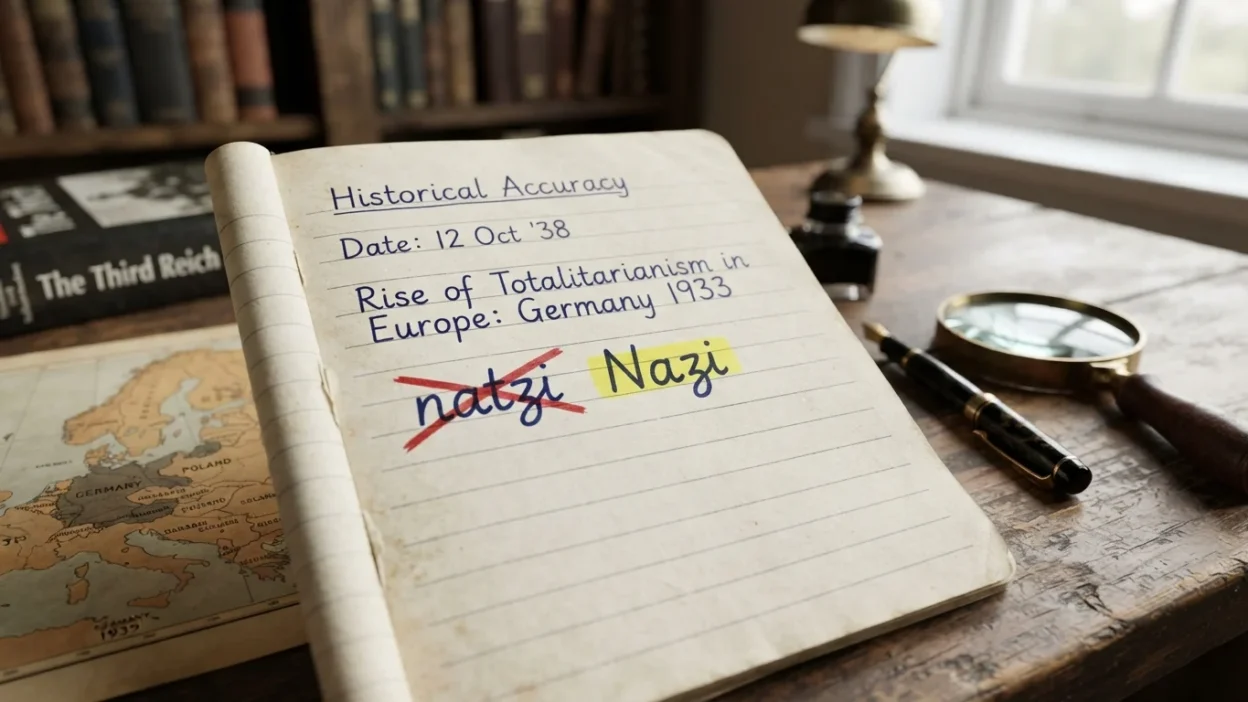
Many people pause while writing and wonder if the correct spelling is natzi or nazi. Because the word is tied to real historical events, spelling it correctly is especially important.
Small spelling mistakes can change meaning or reduce credibility. In this case, only one version is correct in standard English, and understanding it will help you write with clarity and accuracy.
Let’s explore natzi vs nazi in a simple and clear way so you can use the correct term confidently.
Quick Answer
Nazi is the correct spelling.
Natzi is incorrect and not used in standard English.
Use Nazi when referring to members of the Nazi Party or its ideology during World War II.
Why People Confuse It
The confusion comes mainly from pronunciation and typing habits.
Common reasons:
- Mishearing the word
- Adding an extra letter
- Spelling based on sound
But the correct spelling is fixed and widely recognized.
Definition and Meaning
Nazi refers to a member or supporter of the Nazi Party led by Adolf Hitler.
It is also used to describe the political ideology associated with that regime.
Pronunciation Guide
The word Nazi is pronounced as
Nah tsee
It has two clear syllables and no extra letters.
Grammar Rules Explained
- Nazi is a noun
- It can be singular or plural
- Plural form is Nazis
Example:
Many Nazis were part of the regime.
First Word
Natzi is not a real English word.
It appears only as a spelling mistake and should never be used in formal or informal writing.
Second Word
Nazi is the correct and historically accurate term.
It is used in education, history, and discussions about political systems.
Comparison Table
| Feature | Natzi | Nazi |
|---|---|---|
| Correct | No | Yes |
| Usage | Incorrect | Standard |
| Meaning | None | Historical and political term |
| Recommendation | Avoid | Always use |
When to Use Each
Use Nazi when:
- Writing about history
- Referring to World War II
- Discussing political ideologies
Never use natzi in correct English.
Real Life Usage
- History books use the word Nazi
- Documentaries refer to Nazi Germany
- Academic writing always uses the correct spelling
Examples
Correct examples with Nazi:
- The Nazi regime ruled Germany during that period.
- He studied Nazi history in school.
- The Nazi Party gained power in the 1930s.
- Many books explain Nazi ideology.
- The museum shows Nazi era artifacts.
- Nazi Germany played a major role in World War II.
- The documentary explores Nazi leadership.
- Scholars analyze Nazi policies.
- The Nazi government controlled many aspects of life.
- The impact of the Nazi regime is still studied today.
- The term Nazi is widely recognized in history.
Incorrect example:
- The Natzi government was powerful.
Common Sentences
- The Nazi regime changed world history.
- People learn about Nazis in school.
- The Nazi period is widely documented.
Formal vs Informal Use
Nazi is used in:
- Formal writing such as academic texts
- Informal discussions about history
The spelling does not change based on context.
Synonyms and Alternatives
There are no direct synonyms, but related terms include:
- Fascist
- Dictator
- Regime supporter
Similar Words
- Fascism
- Totalitarianism
- Dictatorship
These are often used in similar discussions.
Related Confusing Words
- Fascist vs socialist
- Regime vs government
- Dictator vs leader
These words are often confused in historical writing.
Mistakes to Avoid
- Adding extra letters like t
- Guessing spelling based on sound
- Using incorrect variations
Always double check historical terms.
Expert Tips
- Keep spelling simple and accurate
- Review historical terms carefully
- Use trusted sources when unsure
Memory Trick
Think of this:
Nazi has only four letters and no extra sounds
Keep it short and correct.
American vs British English
Both American and British English use Nazi the same way.
There is no spelling difference.
Why Correct Spelling Matters
- Maintains historical accuracy
- Builds credibility in writing
- Avoids confusion
SEO Insight for This Keyword
Searches like natzi vs nazi meaning, correct spelling nazi, and nazi definition are common. Using the correct term improves clarity and search visibility.
Final Verdict
The answer is simple. Nazi is correct and historically accurate.
Natzi is incorrect and should never be used.
Using the right spelling ensures clarity, respect, and professionalism.
FAQs
Is natzi a real word
No, it is a spelling mistake.
What does Nazi mean
It refers to a member of the Nazi Party or its ideology.
Why is Nazi spelled without t
Because that is the correct historical spelling.
Can I use natzi informally
No, it should always be corrected to Nazi.
Is Nazi used worldwide
Yes, the spelling is standard globally.
What is the origin of the word Nazi
It comes from the German name of the political party.
Conclusion
Understanding natzi vs nazi is simple but important. This word carries historical meaning, so correct spelling matters more than usual.
By using Nazi correctly, your writing becomes accurate and respectful. Always double check important terms to avoid mistakes.
Remember This
Always write Nazi correctly.
Never use natzi in proper English.

Carol Amanda is a passionate writer and faith-driven author dedicated to sharing the wisdom of the Bible. At BiblyWord, she creates inspiring and meaningful content that encourages spiritual growth and daily reflection. Her work focuses on helping readers connect with God’s Word and find guidance, peace, and strength in their faith journey.